Column · @reidqppl959
Symptoms And Signs Of Pelvic Floor Disorder In Guys
·Filed by @reidqppl959
Hypertonic Pelvic Flooring: Causes, Treatments, Exercises Our urogynecology professionals deal with the complete range of pelvic health and wellness problems and offer pelvic rehab services to help boost your health and restore your quality of life. We're right here to aid you feel entire once more in body, mind and spirit. Urinary system incontinence is a loss of bladder control and is one of the most usual pelvic floor disorder. Signs can vary from moderate leaking to uncontrollable wetting.
Can pelvic floor muscle mass reclaim strength?
Pregnancy and childbirth can stretch, pressure, and damage these muscles and trigger a series of concerns for about 1 in 4 women. The good news is that pelvic flooring exercises can progressively build up your toughness and help you go back to regular.

Pelvic Pain And Pelvic Flooring Conditions: Recognizing The Link
The levator rectum muscle is the major element of the pelvic flooring and is comprised of three private muscle mass - the iliococygeus, pubococcygeus, and puborectalis. The puborectalis muscular tissue is a U-shaped muscular tissue that affixes to the pubic bone and twists around the rectum. Under normal scenarios this muscular tissue is contracted and creates a "bend" in the rectum, which helps to keep feces continence. The act of birthing down to pass a defecation normally causes this muscle to kick back, straightening this "bend" and assisting help with the flow of feces out of the anus. Virtually one-quarter of females deal with pelvic floor conditions, and the occurrence of these problems increases as they age. This could be standing at an urinal and needing to wait for the stream to start (hesitancy).- These pelvic flooring workouts can assist the body get back to regular.
- This can cause pain in the back, hips and hips or urinary system concerns that can sometimes proceed postpartum.
- Furthermore, older grownups may experience decreased coordination and recognition of their pelvic flooring muscular tissues, making it tougher to regulate bladder and digestive tract function.
- These muscular tissues support the bladder, digestive tract, and reproductive organs, and they are key players in regulating the launch of urine and stool.
- Colon and anal surgeons are experts in the surgical and non-surgical treatment of diseases of the colon, anus, and rectum.
Recognizing Pelvic Floor Disorder
When that holds true, PTs will focus on workouts to release tension in the muscular tissues initially. Trying to reinforce excessively limited muscular tissues can make symptoms worse, describes Jacquelyn White, PT, DPT, a Joint Health pelvic flooring physical therapist. Rather, you need to kick back and stretch, or extend, the muscular tissues prior to you reinforce them. According to the National Institutes of Wellness, between a quarter Sexual dysfunction and fifty percent of American females experience pelvic floor issues.Understanding The Causes Of Pelvic Flooring Dysfunction
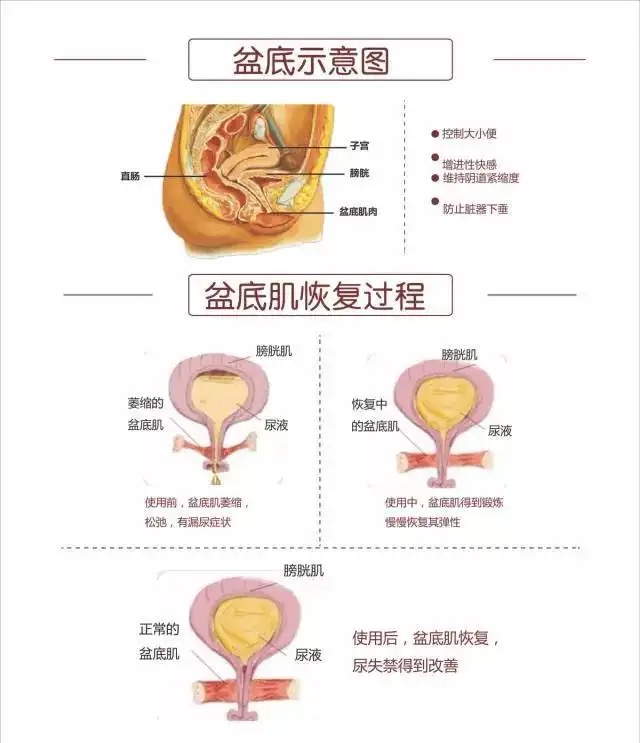
In physical therapy, we regularly deal with individuals who are fighting with urinary incontinence and irregularity-- two conditions that can have an extensive effect on their lives. While these issues can really feel awkward to review, many people do not realize that they are usually linked to dysfunction in the pelvic floor muscular tissues. The pelvic floor, a group of muscles situated at the base of the hips, plays Obesity an important duty in managing bladder and bowel function. Pelvic floor disorder is a typical yet usually ignored source of urinary incontinence and bowel irregularity, two problems that can drastically influence one's lifestyle. If you have pelvic discomfort or signs and symptoms that are influencing your lifestyle, you can obtain the relief you have actually been seeking with Joint Health and wellness's on the internet workout therapy program. Stressful injuries to the pelvic location, exhausting exercise and difficulties from vaginal childbirth can all contribute to this condition. Often muscle mass make up for weak point by coming to be persistantly gotten, leading to tightness with time.— 30 —